Why Great Brands Are Built on Perception, Not Products
Because people rarely buy what something is. They buy what they believe it is.
Every industry has become more competitive than ever. Luxury fashion, beauty, hospitality, wellness and lifestyle brands all share something in common: exceptional products are no longer enough to stand out. Quality has become the standard, not the differentiator.
So why do some brands become instantly recognizable while others struggle to leave an impression? The answer often has very little to do with the product itself.
It has everything to do with perception.
At Beyond Branding, we believe people rarely choose a brand based only on what it offers. They choose it because of what it represents. Long before someone experiences your product or service, they've already started building an opinion about your business through everything they see, read and feel.
That's why branding isn't simply about creating beautiful visuals. It's about intentionally shaping perception.
Why perception matters more than ever
Today's customers are surrounded by choices. They can compare products in seconds, discover new brands through social media and access businesses from anywhere in the world. In that environment, people don't always have the time, or the need, to analyze every feature before making a decision.
Instead, they rely on perception.

A well-designed website creates confidence. Thoughtful photography suggests quality. A consistent visual identity communicates professionalism before anyone reads a single sentence. Even the smallest details, from typography to packaging, begin telling a story long before the product has the opportunity to speak for itself.
This is why first impressions matter so much. They're not superficial—they're often the beginning of trust.
According to research by Google, users form an impression of a website in just milliseconds, while studies in consumer psychology consistently show that visual cues strongly influence purchasing decisions. Before logic enters the conversation, emotion has usually arrived first.
Products solve problems. Brands create meaning.
Think about the luxury brands you admire the most…
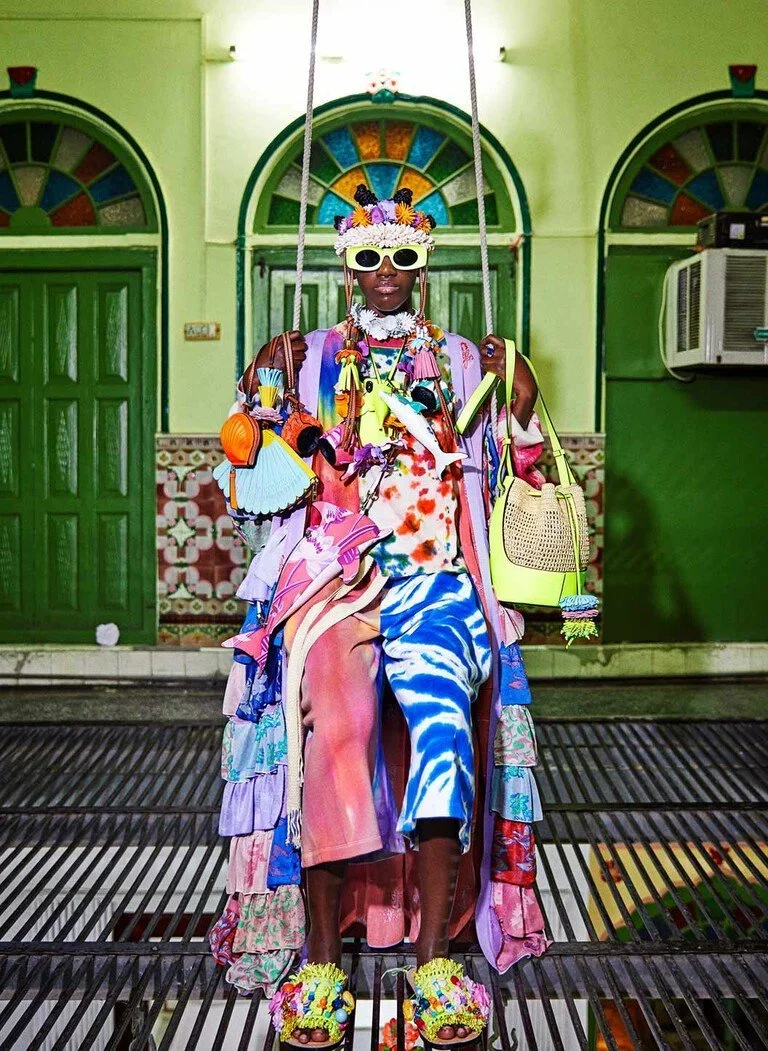
Whether it's a fashion house, a boutique hotel or a premium skincare brand, chances are you don't remember them because of a list of product features. You remember the feeling they create. You remember the atmosphere of their stores, the elegance of their campaigns, the way their products are presented or the lifestyle they invite you into.
That's the difference between selling a product and building a brand.
A product answers a practical need.
A brand answers an emotional one.
People don't invest in luxury because they need another bag, another fragrance or another hotel stay. They invest because those brands represent something they want to be associated with—craftsmanship, creativity, exclusivity, simplicity or timeless design.
The product delivers the experience.
The brand gives it meaning.
What shapes brand perception?

Perception isn't created by one single element. It's. built through every interaction people have with your brand, including:
Visual identity and logo
Photography and creative direction
Website and digital experience
Packaging and presentation
Tone of voice
Social media presence
Customer experience
Every touchpoint shapes your brand
One of the biggest mistakes businesses make is believing branding only happens during a rebrand or a product launch. In reality, branding is happening every day.
Your website, social media, presentations, packaging, emails and photography are all part of the same conversation. Each interaction either reinforces the perception you're trying to build or quietly moves it in a different direction.
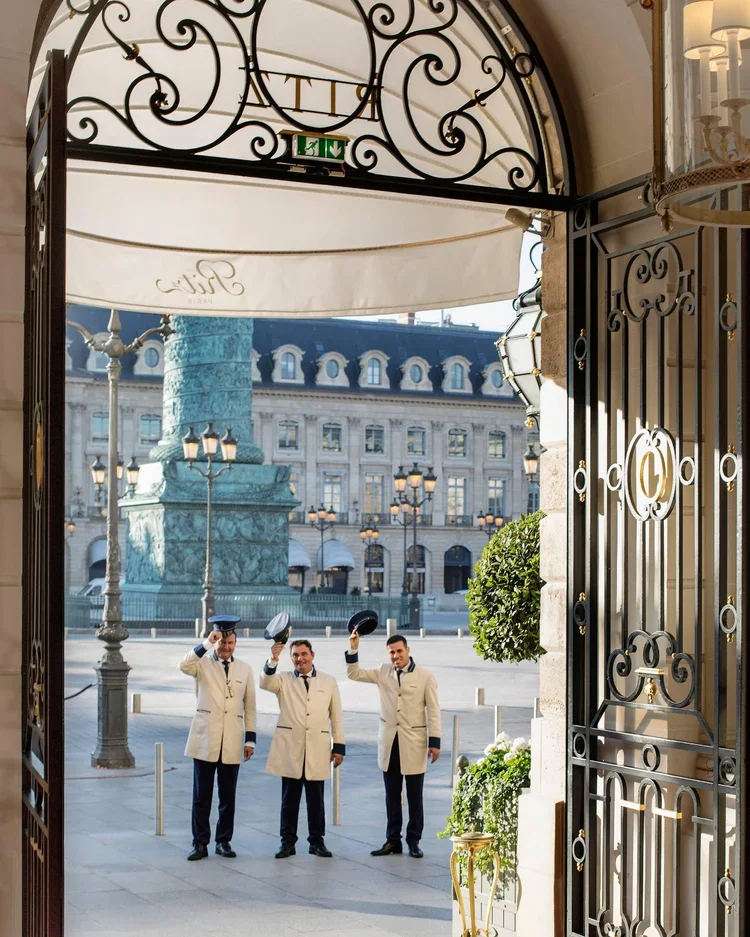


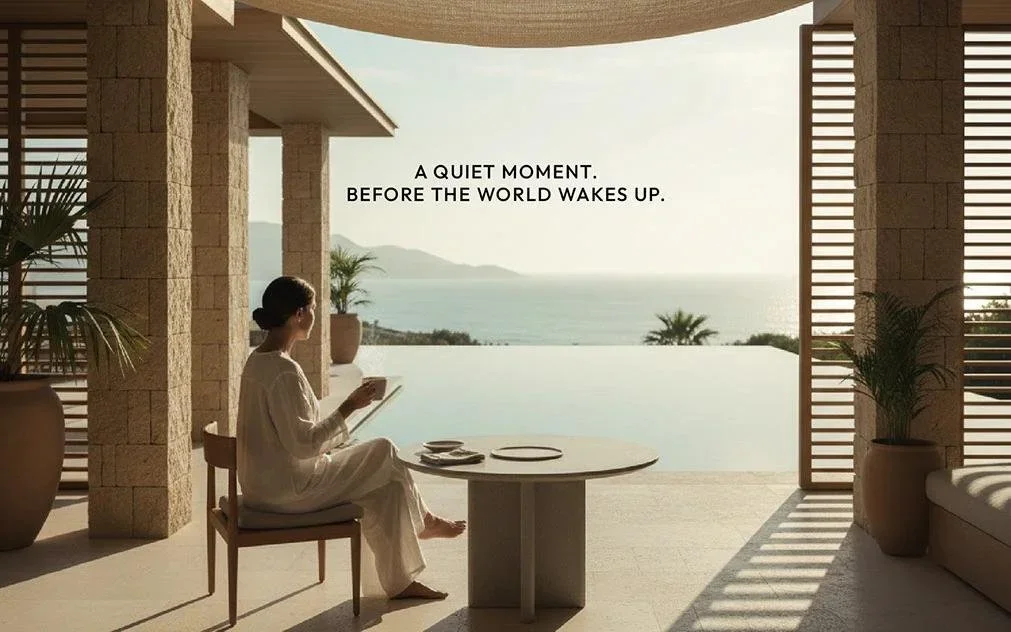

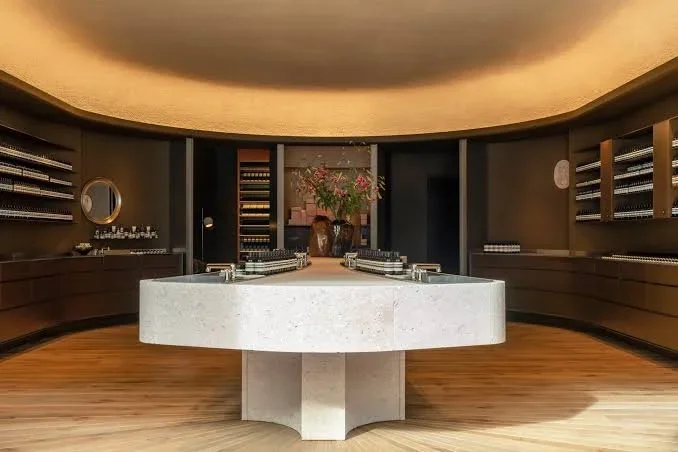

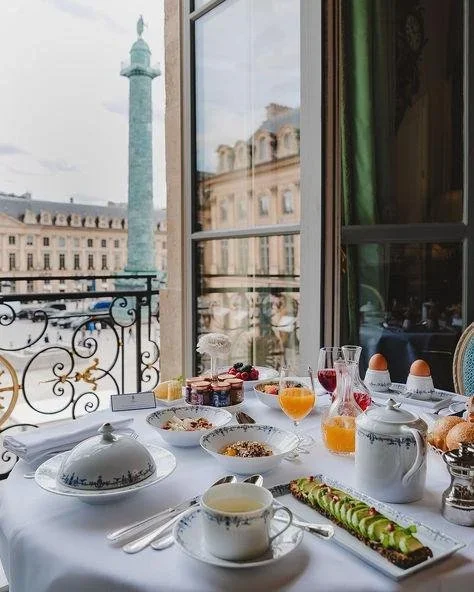
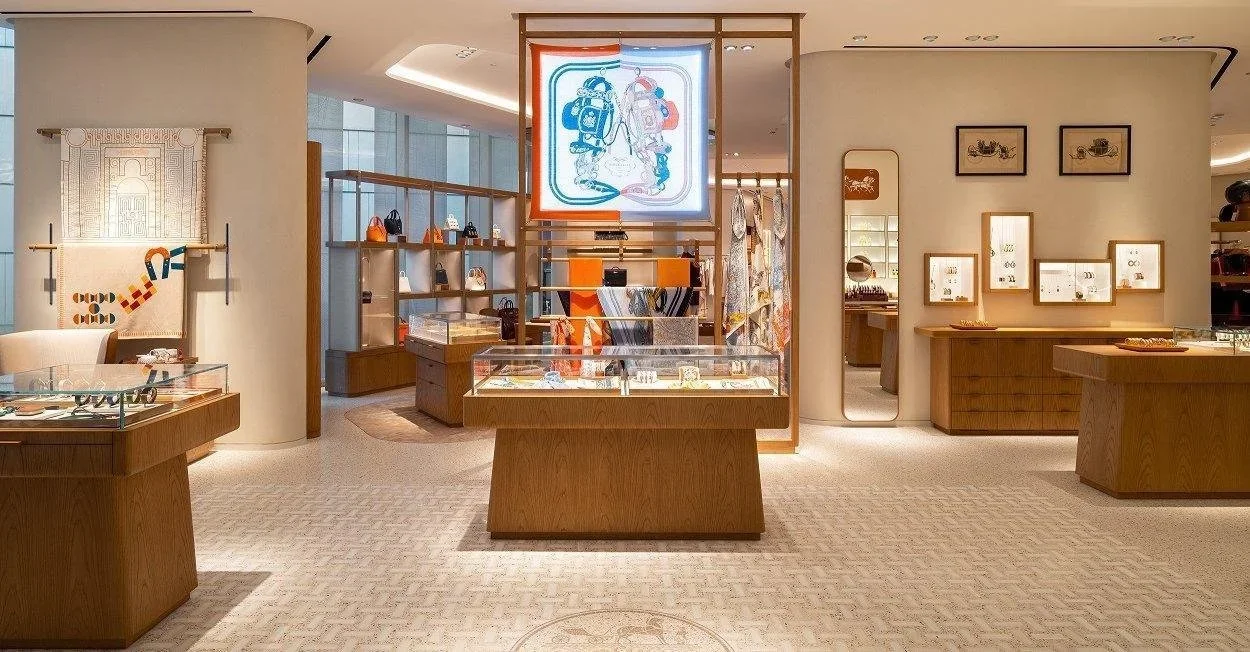
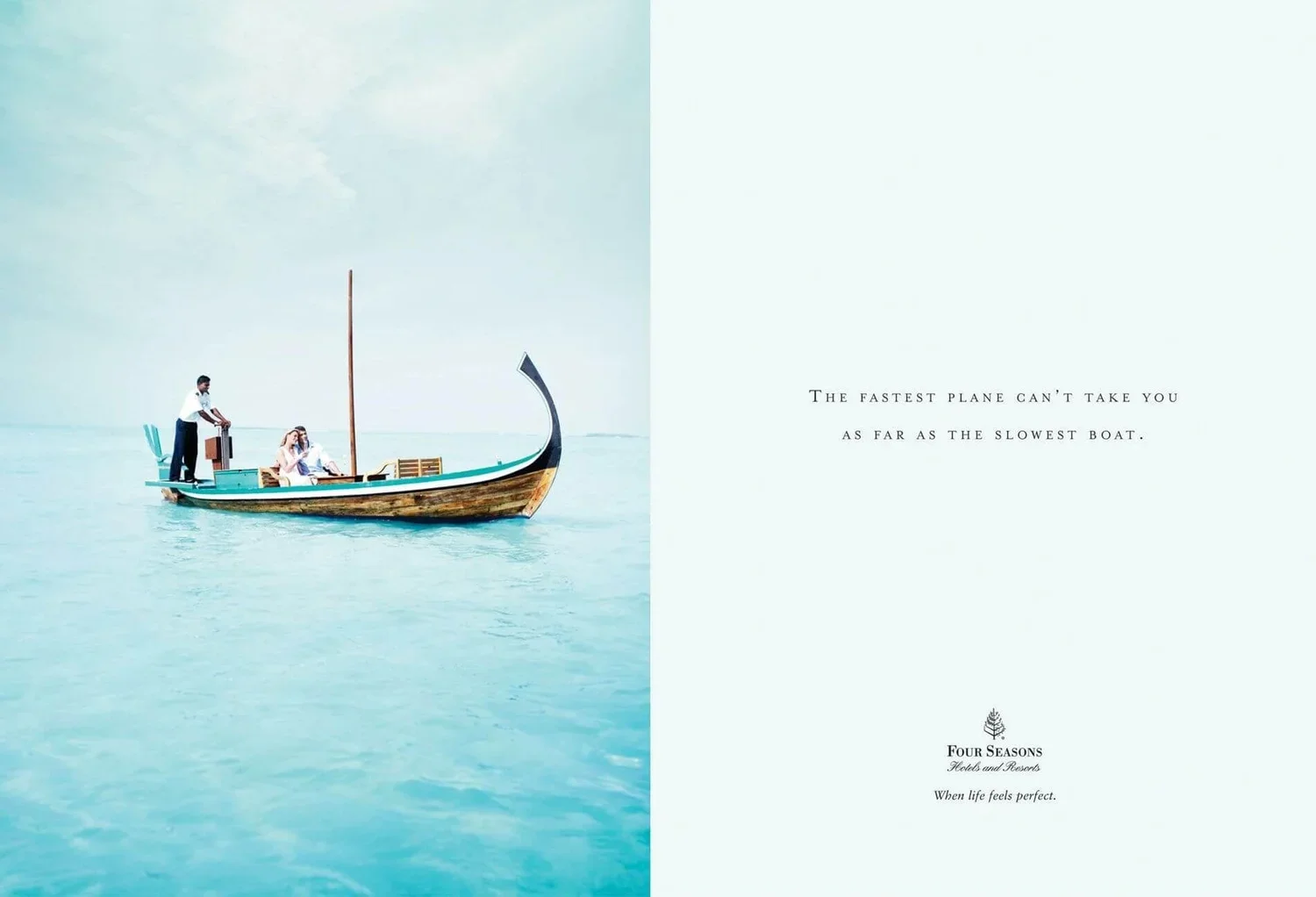
This is why consistency matters so much. Not because every visual needs to look identical, but because every touchpoint should feel like it belongs to the same brand.
When everything works together, people don't just recognize your business, they begin to trust it.
And trust is often what turns curiosity into loyalty.
What the world's strongest brands have in common

Jacquemus
This brand has built an entire visual universe inspired by the Mediterranean. Every campaign, runway show and social post reinforces the same feeling, making the brand instantly memorable.
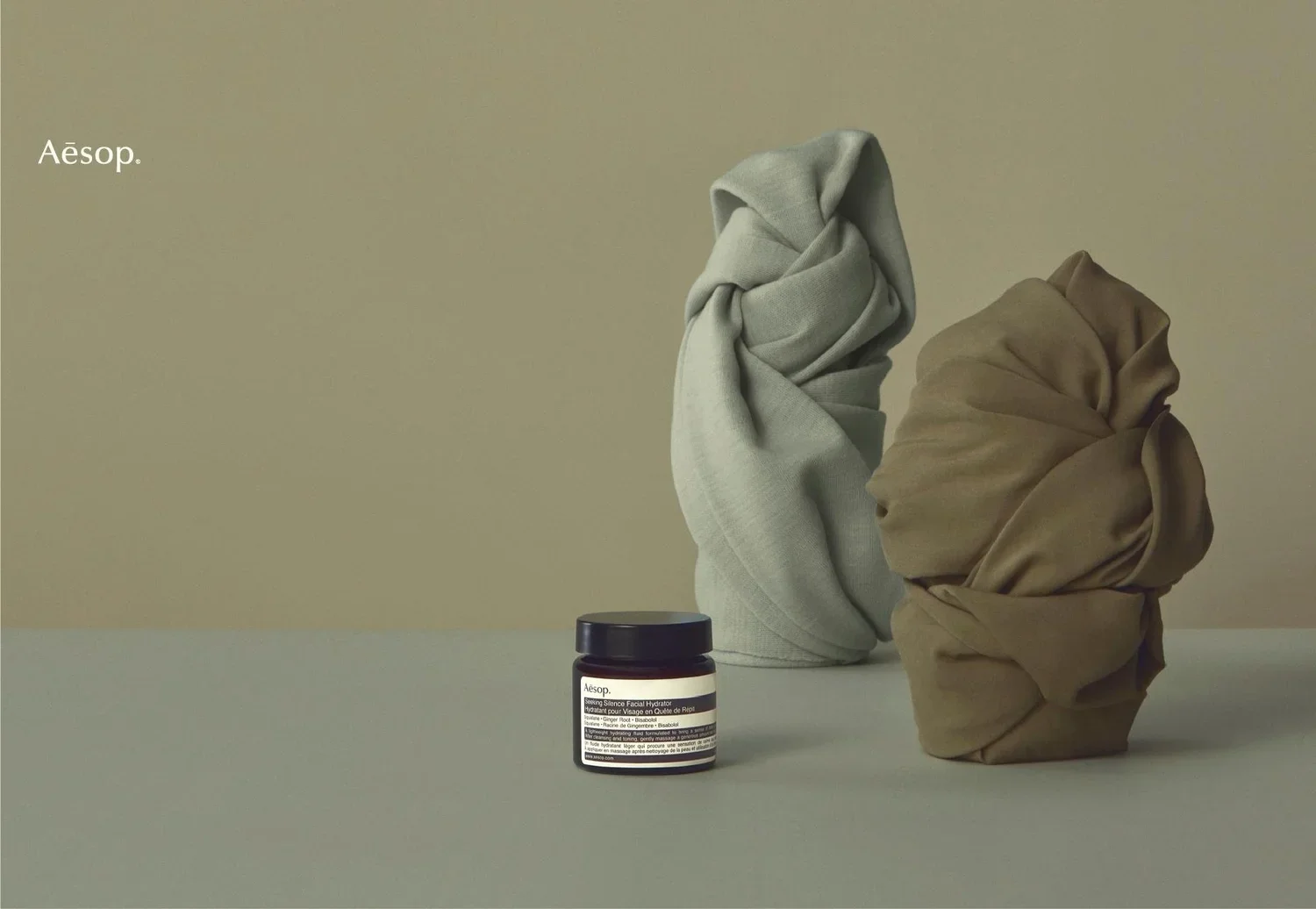
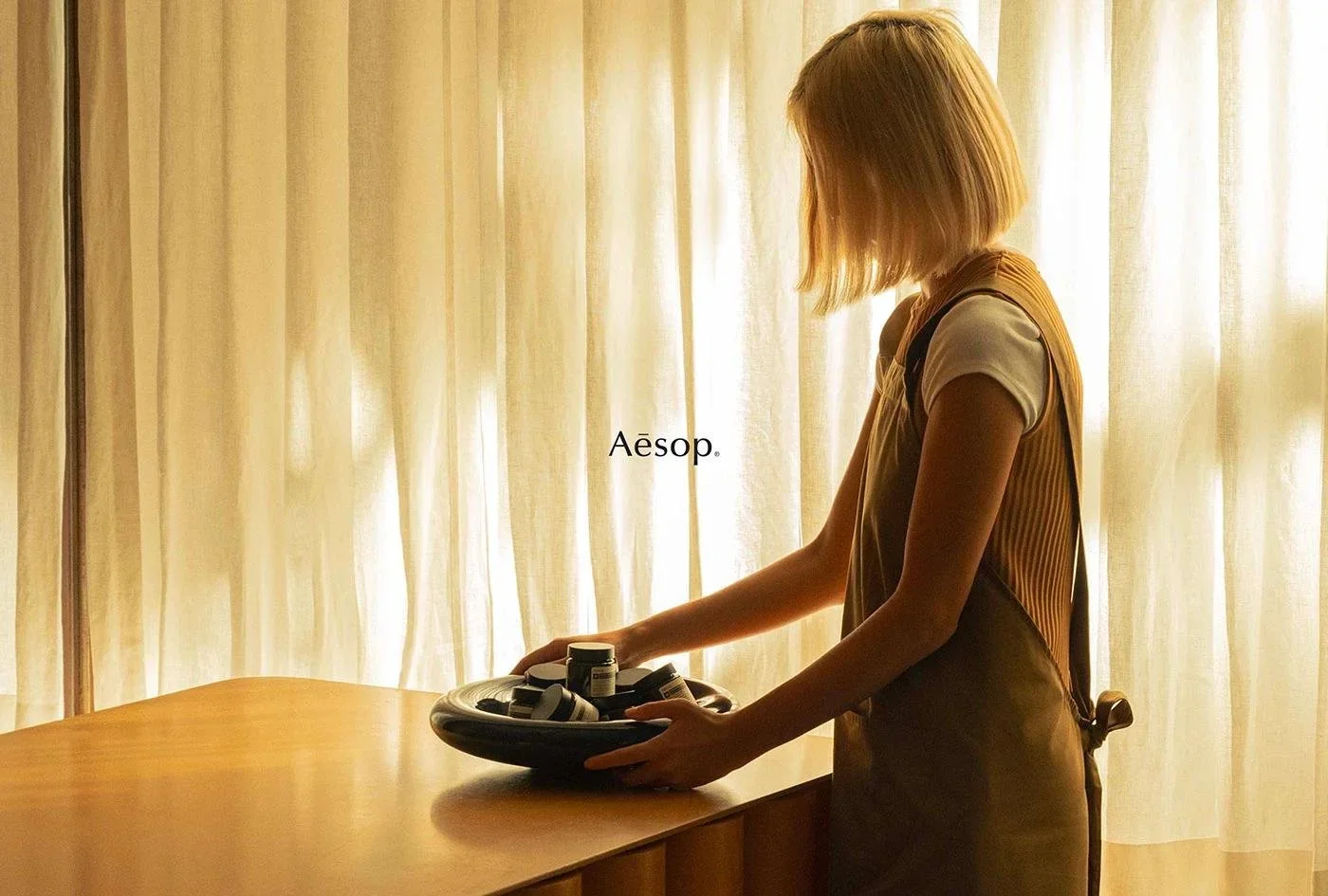
Aesop
This brand has transformed skincare into an experience through architecture, editorial photography and understated communication. Everything feels intentional, making the brand recognizable even before you see its logo.





Hermès
Hermès has never built its reputation around trends or aggressive marketing. Instead, every collection, boutique and campaign reinforces the same values of craftsmanship, exclusivity and timeless design. The result is a brand whose perceived value goes far beyond the products themselves.
These brands don't rely on a single great campaign.
They build a consistent perception over time, and that's what makes them so desirable.
How to build perception intentionally
Building a strong brand isn't about one big decision.
It's the result of many intentional choices that work together over time. Here are a few principles that can help shape a brand people remember.

1. Start with positioning
Before thinking about colors, typography or photography, define how you want people to perceive your brand. Every creative decision should reinforce that idea. Without a clear positioning, even the most beautiful visual identity can feel disconnected.
2. Create consistency across every touchpoint
Your website, social media, packaging and presentations should all feel like they're telling the same story. Consistency doesn't mean everything looks identical, it means every interaction reinforces the same personality and values.

3. Focus on the experience, not just the product
People rarely remember every feature of a product, but they do remember how a brand made them feel. The way you present your work, communicate with clients and design every interaction has just as much impact as the product itself.
4. Pay attention to the details
Perception is built through the smallest moments. The quality of your imagery, the tone of your copy, the way you package a product or present a proposal all contribute to the overall experience. Individually they may seem small, but together they define your brand.
The brands people remember aren't always the ones with the best products
Exceptional products will always matter, but they're rarely the only reason people choose one brand over another. Long before someone experiences what you sell, they've already decided how they feel about your business.
That's why branding isn't simply about creating something beautiful. It's about creating something meaningful. A brand with a clear point of view, a consistent identity and a memorable experience will always have an advantage over one that focuses only on features.

At Beyond Branding, we believe perception is one of the most valuable assets a business can build. Because when people trust your brand, connect with your story and recognize your identity, they're not just buying a product—they're buying into everything your brand represents.